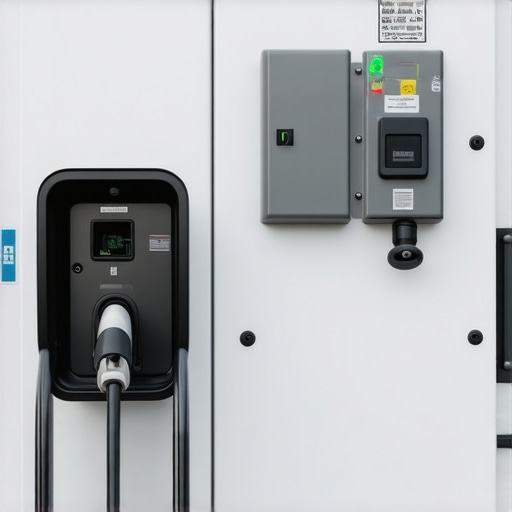

Panel Upgrades & Electrical Safety for Reliable EV Charger Installations
Ever had that sinking feeling when your EV charger just refuses to work, and you start to wonder if your electrical system is up to the task? I remember the exact moment I realized my home’s wiring wasn’t prepared for the EV charging demands I was about to undertake. It was a chilly evening, and after investing in a new charger, it kept disconnecting. Frustration turned into a lightbulb moment: I needed to understand my home’s electrical panel better. If you’ve faced similar issues or just want peace of mind, you’re in the right place. Today, I’ll walk you through how to upgrade your panel and ensure electrical safety, so your EV charger runs smoothly and safely.
Why Your Panel Matters More Than You Think
When I first added an EV charger, I naively assumed my existing panel could handle the extra load. I was wrong. An underpowered or outdated panel can cause frequent trips, safety hazards, or even damage to your vehicle and home. Upgrading your electrical panel isn’t just about faster charging; it’s a critical safety step that protects your entire home. Believe me, neglecting this can lead to costly repairs or dangerous situations. According to the National Fire Protection Association, improper electrical wiring and panel issues are leading causes of home electrical fires. So, it’s not just about convenience — it’s about safety.
Is Panel Upgrading Worth the Cost and Effort?
This was my biggest worry early on. I wondered if the upgrade was really necessary or just overkill. After my first attempt at DIY troubleshooting, I made a costly mistake by ignoring the importance of code compliance. It’s easy to overlook the significance of proper panel sizing or to skip an inspection. If you’re questioning whether a panel upgrade is worth it, know that a professional assessment can save you from future headaches and ensure your system is safe and reliable. Want to learn how to verify code compliance? Check out this guide.
Key Step for Peace of Mind
Ultimately, the best move I made was consulting with experts and following best practices for electrical safety and code compliance. This not only made my charging experience seamless but also kept my home safe. If you’ve been hesitant about upgrading your panel or worried that it’s too complicated, I get it. But with the right guidance and professional help, you can have a reliable, safe setup that ensures your EV charger performs at its best. Ready to take the next step? Let’s dive into why proper panel upgrades are essential and how you can ensure everything complies with safety standards.
,
Inspect Your Current Panel and Load Capacity
Before diving into an upgrade, I recommend turning off the main breaker and removing the panel cover carefully. I did this myself during a weekend project, and I found my panel was outdated with signs of corrosion. Using a multimeter, I checked the main breaker and circuits to see if they were delivering the right voltage. If your panel is more than 20 years old, chances are it can’t handle the extra load of your EV charger. To assess your home’s capacity, add up the amperage of your existing circuits and compare it to your panel’s maximum rated capacity. If it’s close to or exceeding the limit, a new panel is essential. For detailed guidance, check this troubleshooting guide.
Choose the Right Panel and Components
Select a panel that matches your home’s electrical needs, ideally a 200-amp panel for future-proofing. During my upgrade, I opted for a panel with multiple spaces for breakers and included a dedicated branch circuit for the EV charger. I also installed a dedicated circuit breaker rated for the charger’s amperage—usually 40 or 50 amps. Think of your panel as a highway system; each new circuit is a lane, so you need enough lanes to prevent traffic jams. Using a panel with surge protection and AFCI breakers adds an extra layer of safety. For more on selecting components, visit this resource.
Hire a Licensed Electrician for Installation
While I considered a DIY approach, I quickly realized that working with high-voltage systems requires expertise. I contacted a licensed electrician who specializes in EV charger installations. They verified my existing wiring, ensured code compliance, and handled the panel upgrade efficiently. This step is critical—improper wiring or incorrect breaker ratings can cause safety hazards or code violations. When selecting an electrician, ask for credentials and references. For assistance, you can reach out through this contact page. This partnership ensured my upgrade was safe, compliant, and built to last.
Ensure Code Compliance and Safety Standards
During the upgrade, I insisted on code-compliant wiring and breaker ratings. I reviewed local electrical codes and the National Electrical Code (NEC) guidelines, especially Article 625 for EV charging systems. My electrician provided documentation, and I verified it using this verification guide. This step helps prevent future issues and ensures your insurance remains valid. Remember, safety is paramount—don’t cut corners or ignore code requirements.
Test and Monitor Your New System
After installation, I turned on the main breaker and checked all circuits for proper operation. I tested my EV charger, ensuring it powered up correctly without tripping breakers. I also monitored the system for a few days, watching for any unusual noises or signs of overheating. This proactive approach helped me catch potential issues early. For troubleshooting tips, explore this article. Regular maintenance and periodic inspections will keep your system running smoothly and safely for years to come. Properly upgrading your panel isn’t just a smart move; it’s a crucial step toward reliable, safe EV charging at home.
While many believe that upgrading an electrical panel is as simple as swapping out a box, the reality is far more nuanced. One of the most pervasive myths is that any 200-amp panel will suffice for future EV charging needs. However, this overlooks critical details like branch circuit capacity and the importance of proper load calculations. Overestimating your home’s capacity can lead to underperformance or safety hazards. For instance, a panel might have enough amperage but lack the necessary circuit breakers rated for the EV charger, risking overloads. To avoid such pitfalls, it’s essential to consult with a licensed electrician and verify that your system meets all code requirements. Remember, a proper upgrade considers not just current needs but future expansion, too.
Another common mistake is neglecting the importance of load balancing. Many assume that simply adding a dedicated circuit for the EV charger is enough. In practice, failing to assess the entire home’s load can cause unexpected trips or even damage. Advanced professionals perform detailed load calculations to ensure the panel can handle simultaneous demands—think about your HVAC, appliances, and lighting—all at once. Overlooking this can turn a straightforward upgrade into a costly repair. For expert guidance, check out troubleshooting tips that emphasize load management strategies.
Why is Oversizing Your Panel a Double-Edged Sword?
Many homeowners opt for the largest panel they can afford, believing it guarantees future-proofing. While there’s merit in planning ahead, oversizing can introduce new problems. Larger panels often require more complex wiring and grounding, increasing installation costs and potential safety issues if not correctly handled. Moreover, using a panel that’s significantly bigger than your current needs can lead to unnecessary expense and complicate inspections. Instead, a balanced approach—upgrading to a panel with enough capacity for your anticipated needs and ensuring proper wiring—is advisable. For detailed advice, see this resource. Have you ever fallen into this trap? Let me know in the comments.
Finally, a common oversight involves the quality of components used during installation. Some attempt DIY upgrades or hire unqualified technicians, risking poor connections and non-compliance with safety standards. This can lead to overheating, circuit failures, or even electrical fires. Always verify that your electrician follows safety standards and uses UL-listed parts. Remember, investing in quality components and professional installation not only ensures safety but also prolongs the lifespan of your system. Proper planning and execution are critical—don’t cut corners. Want more tips? Visit this guide for expert advice on troubleshooting common issues post-upgrade.
How do I keep my EV charging system performing over the long term?
Maintaining a reliable EV charging setup involves more than just installing the right panel; it requires ongoing attention and the right tools. One of my go-to pieces of equipment is a high-quality multimeter. I personally use the Fluke 117 because it provides precise readings of voltage, current, and continuity, which are essential when troubleshooting or confirming that circuits are functioning correctly. Regularly checking your circuits with a multimeter helps catch potential issues early, preventing costly repairs or safety hazards.
Another indispensable tool is a reliable circuit tester, such as the Klein Tools ET600. I use it to verify that outlets and breakers are properly wired and grounded before connecting my EV charger. Ensuring proper grounding and circuit integrity is crucial for safety and performance. These tools save me time and give peace of mind, especially when performing periodic inspections after upgrades.
For monitoring the health of your electrical system over time, installing a smart circuit breaker monitor like the Sense Energy Monitor has been a game changer. It tracks electrical consumption and detects anomalies, alerting me immediately if something’s amiss. This technology is predicting future trends in home electrical management, making it easier to plan upgrades and prevent outages before they happen.
What about software and apps?
I recommend using dedicated electrical troubleshooting apps like Electrical Calc or Circuit Log, which help document load calculations and circuit configurations. These apps assist in keeping detailed records of your system’s specifications and maintenance history, simplifying future upgrades or inspections. Staying organized ensures your system remains compliant and safe, especially as your home’s electrical demands grow.
Additionally, consulting your EV charger’s firmware regularly and updating it when prompted can improve reliability. Manufacturers often release updates that fix bugs, enhance safety features, or improve charging efficiency. Staying current with firmware updates is a simple yet effective way to extend your system’s longevity.
Future trends in maintenance
Looking ahead, I believe the integration of AI-driven home electrical systems will revolutionize maintenance routines. Predictive analytics could soon forecast potential failures, allowing homeowners to act proactively. Embracing these tools now prepares you for a future where your EV charging system is not just reliable but intelligent.
Try this advanced tip today
Start by investing in a high-quality multimeter like the Fluke 117 and perform a comprehensive load check of your panel. Confirm that all circuits are within safe operating ranges and that the grounding is solid. This proactive step will give you a clear picture of your system’s health and help prevent issues down the road. Remember, regular maintenance with the right tools is your best defense against unexpected failures. For more detailed troubleshooting tips, explore this guide and keep your home’s electrical system running smoothly and safely.
The Hardest Lesson I Learned About EV Panel Upgrades
One of my biggest realizations was that not all electrical panels are created equal, especially when it comes to supporting an EV charger. I once thought a 200-amp panel was enough for any future needs, only to discover that proper load calculations and the right circuit breakers are crucial. Overestimating capacity can lead to safety risks, while underestimating can cause frequent trips. The key is to balance capacity with quality components and professional installation. Trust me, a small oversight here can turn into a costly headache down the line.
3 Myths About Electrical Panel Upgrades That Held Me Back
Initially, I believed that upgrading the panel would be a complicated and expensive process, so I hesitated. I also thought DIY was a good option, which isn’t true for high-voltage systems. The biggest myth was that any panel would do — but the truth is, you need a panel rated for your home’s current and future demands, installed with the right safety features like AFCI breakers. Debunking these myths early on saved me time and money, and ensured my EV charger operates safely and efficiently.
What Experts Won’t Tell You About Staying Safe During Panel Upgrades
One lesson I learned from talking to professionals is that code compliance isn’t just a box to check — it’s the foundation of safety. Ensuring proper grounding, using UL-listed components, and verifying your local electrical codes can prevent fires and damage. Don’t take shortcuts; instead, consult trusted resources like this guide to make sure your system is compliant and safe. It’s worth every penny, trust me.
My Essential Toolkit for Reliable EV Charging
Over time, I found that certain tools made a big difference in maintaining my system. A high-quality multimeter like the Fluke 117 helps me verify voltage and detect issues early. A circuit tester like Klein Tools ET600 confirms proper wiring and grounding. And a smart energy monitor such as Sense keeps an eye on overall system health. These tools empower me to troubleshoot confidently and ensure my home’s electrical system remains safe and reliable.
Your Turn to Make a Change
Upgrading your electrical panel might seem daunting, but with the right knowledge and professional help, it’s a game-changer for safe and efficient EV charging. Think about your future needs and plan accordingly—your home’s safety and your peace of mind depend on it. Ready to take the next step? Dive into the details and start planning your upgrade today.
Reading through this detailed post really emphasizes how crucial it is to properly upgrade home electrical panels before installing an EV charger. I recall when I first thought I could just plug in my charger without inspecting the existing wiring — luckily, my electrician did a load assessment and advised an upgrade to ensure everything was up to code. Sometimes, I think homeowners underestimate the importance of load balancing and proper circuit breaker ratings, which can lead to tripping or safety hazards down the line. Have others here experienced issues with inadequate panels, especially when trying to expand their EV charging capacity? I’d love to hear how you tackled those challenges, especially if you did a DIY assessment first. It’s reassuring to know that with professional guidance, a safe and reliable system can be achieved, but I wonder how common it is for folks to skip this critical step and face costly repairs later on.
This post hits home for me. I recently upgraded my panel after noticing frequent breaker trips whenever I plugged in my EV charger. Initially, I thought my existing 150-amp panel would suffice, but after consulting with a licensed electrician, I realized the importance of load calculations and proper breaker ratings. What really stood out to me was the emphasis on code compliance. In my experience, many homeowners underestimate the safety risks of DIY or unqualified work, which can lead to dangerous situations down the line. I also appreciated the tip on load balancing—it’s something I hadn’t considered thoroughly before. Has anyone here faced unexpected issues after upgrading their panel, despite following all safety protocols? I’d be interested in hearing about your troubleshooting strategies. Investing in a quality panel and professional installation was definitely worth the peace of mind, especially with the long-term reliability it provides. The right tools like a multimeter are also invaluable for ongoing maintenance. How do others keep their systems monitored and in check over time?